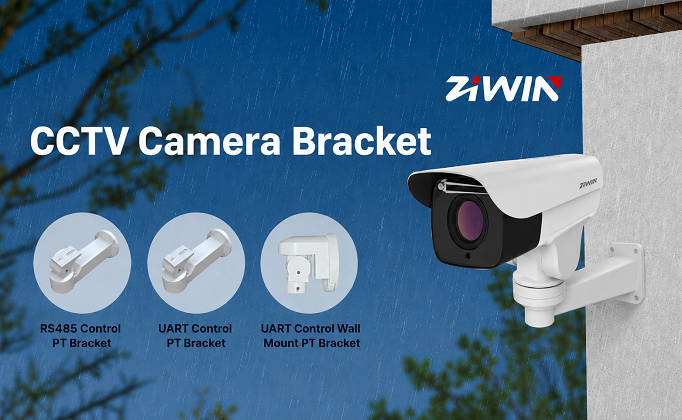
Pan tilt positioners are essential components in surveillance systems, allowing for precise movement and control of cameras and other optical equipment. Regular maintenance is critical to ensure that these devices operate efficiently and continue to provide reliable performance in demanding environments. Whether you are using pan tilt positioners for security, industrial monitoring, or any other application, maintaining them properly will extend their lifespan and ensure optimal performance. This article will provide the best practices for maintaining your pan tilt positioners to help prevent downtime and maintain high performance.
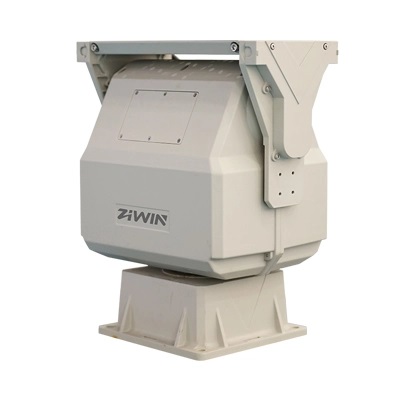
Regular Cleaning of Pan Tilt Positioners to Ensure Smooth Operation
One of the most important maintenance tasks for pan tilt positioners is regular cleaning. Dust, dirt, and debris can accumulate on the moving parts, which can cause friction and wear over time. It is essential to regularly clean the positioners to ensure that they continue to operate smoothly. To clean your pan tilt positioners, start by wiping down the exterior with a soft, lint-free cloth to remove any surface dust or debris. For more thorough cleaning, use compressed air to blow out dirt from hard-to-reach areas, such as the joints and motors. Make sure to clean the gimbals, bearings, and other moving parts to prevent any buildup that could affect the performance of the unit. Additionally, inspect for any signs of corrosion or damage that may require more intensive maintenance or part replacement.
Lubrication of Moving Parts for Long-Term Performance
Proper lubrication is crucial for maintaining the performance and longevity of pan tilt positioners. Lubricating the moving parts, such as the motors, gears, and joints, helps reduce friction and prevent wear and tear. Regular lubrication ensures smooth motion and prevents the parts from becoming stiff or sluggish. When lubricating, it's important to use the recommended lubricants specified by the manufacturer. Over-lubricating or using the wrong type of lubricant can cause dirt and debris to stick to the surfaces, leading to more buildup and potential damage. Apply lubricant sparingly and follow the manufacturer's guidelines to ensure that the parts function optimally. Depending on the environment in which the pan tilt positioners are used (e.g., outdoor or industrial settings), the lubrication schedule may need to be adjusted more frequently to compensate for harsher conditions.
Inspecting Electrical Components for Safe Operation
Pan tilt positioners rely heavily on electrical components to perform their functions, including motors, controllers, and sensors. Regular inspection of these electrical components is necessary to avoid system failures and ensure that the positioners are working efficiently. Start by inspecting the cables and connections for any signs of wear, fraying, or corrosion. Ensure that all electrical connections are tight and free of dust or debris that may interfere with proper electrical flow. Check the power supply and controllers to make sure they are functioning correctly. Additionally, inspect the sensors and actuators for any signs of malfunction. Regularly test the movement of the unit, ensuring smooth panning and tilting actions without hesitation or jerking movements. If any electrical components show signs of wear or malfunction, they should be replaced promptly to avoid larger, more costly repairs down the road.
Protecting Pan Tilt Positioners from Environmental Factors
Pan tilt positioners are often used in harsh environments, which can put stress on their components and lead to quicker wear. For example, outdoor surveillance systems may be exposed to extreme temperatures, moisture, or corrosive environments. To protect your positioners from these environmental factors, it's important to place them in suitable enclosures or protective casings that can shield them from the elements. Using weatherproof or waterproof covers will help prevent moisture from entering the units and causing electrical or mechanical failures. Additionally, if the positioners are used in high-temperature environments, ensure that they are equipped with cooling systems or are placed in shaded areas to prevent overheating. If your positioners are located in areas with high levels of dust, use filters to prevent debris from accumulating inside the unit. Taking these precautions will help prevent damage and ensure reliable performance over time.
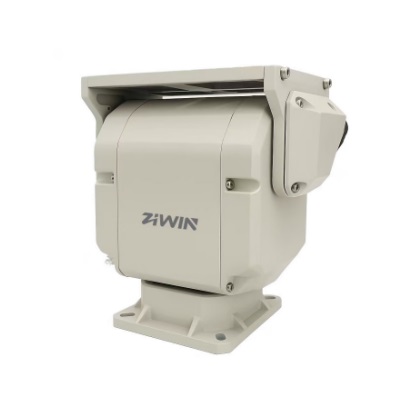
Troubleshooting and Repairs: Identifying Issues Early
Even with regular maintenance, issues can arise with pan tilt positioners. Early detection of problems can prevent minor issues from turning into major repairs. Common signs that a positioner may need attention include jerky or uneven movement, failure to pan or tilt correctly, or unusual noises coming from the motors. If you notice these symptoms, it's essential to troubleshoot and diagnose the issue promptly. Check for loose connections, worn-out gears, or any obstruction that may be hindering the movement. If the issue persists, consult the manufacturer's guidelines for troubleshooting steps or contact a professional for repairs. Regular testing of the system's functionality and seeking prompt repairs will help maintain the positioners' performance and prevent long-term damage.
Conclusion: Keeping Your Pan Tilt Positioners in Optimal Condition
Maintaining pan tilt positioners is crucial for ensuring that they continue to function efficiently and provide reliable performance over time. Regular cleaning, lubrication, electrical inspections, and protection from environmental factors will help prevent wear and tear, reduce downtime, and extend the lifespan of your units. By following these maintenance best practices, you can ensure that your pan tilt positioners continue to operate at peak performance, whether they are used for surveillance, industrial monitoring, or other applications. Consistent upkeep and prompt troubleshooting will ultimately lead to smoother operations and fewer costly repairs.
References
Pan Tilt Positioners and Their Maintenance
Understanding Pan Tilt Mechanisms in CCTV
Pan Tilt Positioners for Surveillance Systems
 +86-15022658927
  sales@ziwincctv.com
  English
 français
 Deutsch
 Español
 italiano
 русский
 português
 العربية
 tiếng việt
 ไทย
ไทย Türkçe
 Pilipino
 עברי
עברי Afrikaans
 Polska