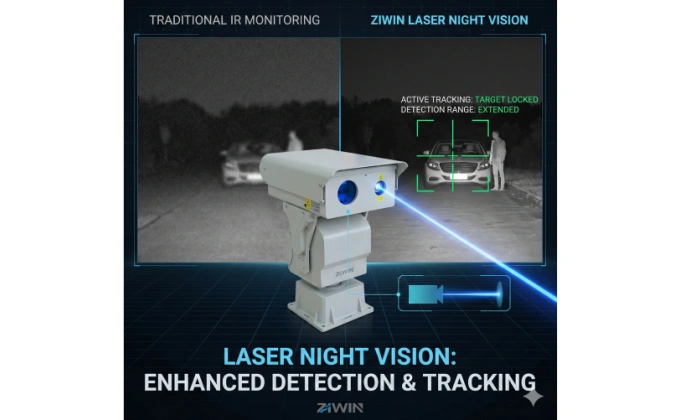
In an age where security and monitoring systems must operate reliably around the clock, laser night vision cameras have emerged as powerful tools for capturing clear, actionable footage in complete darkness. These advanced cameras, such as the long‑range laser night vision PTZ camera offered by ZIWIN, leverage active laser illumination to enhance visibility at night, enabling detection and tracking capabilities that far exceed traditional night vision systems. By harnessing the strength of laser‑based infrared illumination and modern imaging technologies, laser night vision cameras are designed to reveal critical details even in environments with zero ambient light, making them indispensable for security professionals and surveillance deployments that demand high performance under all conditions.
Laser Night Vision Cameras Enhance Low‑Light Detection Capabilities
A laser night vision camera fundamentally transforms how surveillance systems operate in low‑light and zero‑light environments by using near‑infrared laser illumination to actively light up a field of view. Unlike conventional night vision cameras that rely solely on ambient infrared or visible light sources, laser night vision technology projects a focused beam that illuminates targets over much longer distances and with higher intensity. This active illumination method improves the camera's ability to capture detailed images and motion patterns even when natural light is unavailable, providing enhanced detection capabilities for objects, people, and vehicles in complete darkness. The laser's coherence and intensity make it possible to detect subtle movements and fine details that would be indistinguishable with passive night vision systems, significantly improving situational awareness and threat identification during nighttime operations.
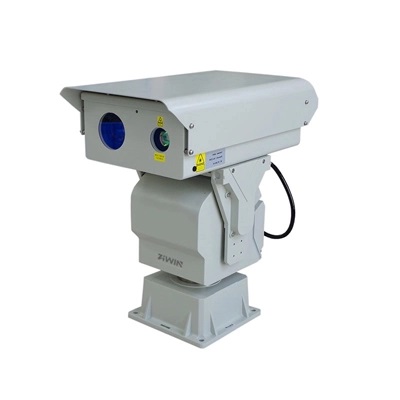
Why Laser Night Vision Camera Technology Matters for Tracking Moving Targets
When it comes to night‑time monitoring, especially over expansive areas or remote locations, the ability to detect and track moving targets is critical. The integration of laser illumination with high‑resolution sensors in laser night vision cameras helps maintain consistent image quality as objects move across the field of view. By providing a stable and uniform source of infrared light that reflects off targets and returns to the imaging sensor, these cameras can continuously monitor motion with minimal loss of clarity. This is particularly valuable in scenarios that require automated tracking of individuals or vehicles at night because the laser illumination ensures that even when environmental lighting conditions change or fade completely, the camera continues to receive sufficient signal for precise image capture. As such, surveillance systems equipped with laser night vision cameras are better suited to maintain continuous tracking performance in dynamic nighttime environments.
Comparing Laser Night Vision Cameras with Traditional Night Vision Technology
Understanding how laser night vision cameras perform compared to traditional night vision systems highlights their unique advantages in detection and tracking. While both camera types aim to provide visibility in darkness, the method of illumination and resulting performance differ significantly. Below is a comparison illustrating these differences:
Feature | Laser Night Vision Camera | Traditional Infrared Night Vision Camera |
Illumination Source | Active laser infrared illumination | Passive infrared LEDs or ambient IR |
Long‑Range Detection | Excellent, extends visibility far distances | Limited by LED range and ambient light |
Target Tracking in Total Darkness | High accuracy due to focused laser illumination | Moderate, relies on amplified ambient IR |
Performance in Fog/Adverse Conditions | Better penetration due to coherent laser beam | Reduced visibility due to scattering |
Consistency of Detail Over Distance | High | Decreases with distance |
This comparison shows that laser night vision cameras provide superior long‑range detection, clearer tracking performance in total darkness, and enhanced resistance to environmental challenges compared to traditional infrared night vision approaches.
How Laser Night Vision Cameras Provide Reliable Performance in Adverse Conditions
Laser night vision camera systems also offer robust performance under challenging weather and environmental conditions where standard cameras might struggle. Fog, rain, and other atmospheric interferences can degrade the reflected signal in traditional night vision systems, leading to blurry or obscured footage. However, the coherent nature of laser illumination allows these systems to penetrate certain levels of obscurants, reducing the impact of scattering and maintaining clearer detection of objects at longer distances. Additionally, the targeted illumination helps reduce background noise and improve contrast between a subject and its surroundings, making it easier to distinguish relevant movement from irrelevant environmental motion. This capability is indispensable for surveillance applications in critical infrastructure monitoring, border control, and perimeter security where environmental unpredictability is the norm.
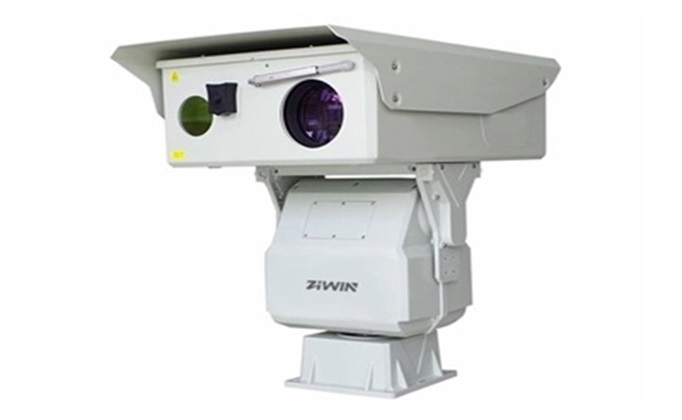
The Strategic Advantage of Laser Night Vision Cameras for Security
In conclusion, laser night vision cameras significantly improve detection and tracking capabilities at night by actively illuminating scenes with laser‑based infrared light, enabling sustained clarity and detailed imaging from close range to extended distances. These systems help ensure that surveillance setups remain effective regardless of the availability of natural light, making them ideal for security applications that require continuous, high‑quality monitoring. As night vision technology continues to evolve, the combination of laser illumination with advanced imaging sensors will continue to play a vital role in enhancing the capabilities of modern surveillance systems and addressing the challenges of low‑light detection and tracking.
References
How Night Vision Cameras Work – Practical Guide
Night Vision Camera Technology Explained
 +86-15022658927
  sales@ziwincctv.com
  English
 français
 Deutsch
 Español
 italiano
 русский
 português
 العربية
 tiếng việt
 ไทย
ไทย Türkçe
 Pilipino
 עברי
עברי Afrikaans
 Polska