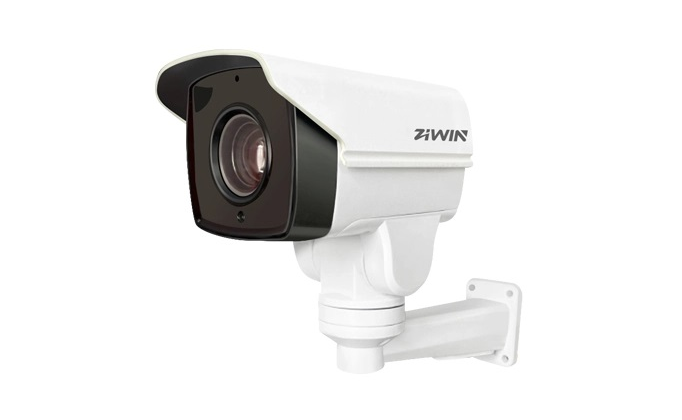
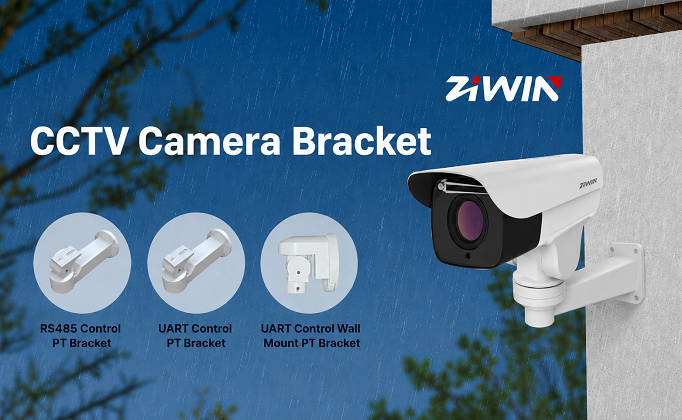
Installing a bullet PTZ camera is a strategic decision to enhance security and surveillance in both indoor and outdoor environments. These cameras are designed to provide high-quality, adjustable surveillance, which is essential for large areas such as parking lots, entrances, and wide-open spaces. However, to get the most out of your bullet PTZ camera, proper installation is key to ensuring optimal coverage and functionality. This article discusses the best practices for installing a bullet PTZ camera to achieve maximum surveillance efficiency and performance.
Understanding the Key Features of a Bullet PTZ Camera
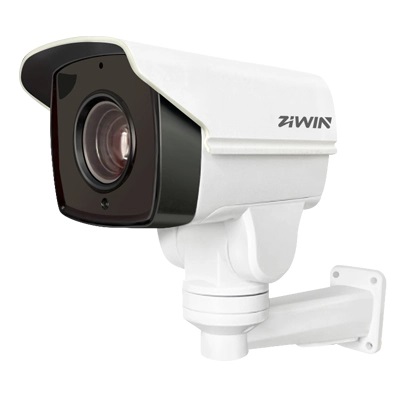
A bullet PTZ camera offers numerous advantages, especially for monitoring large areas. These cameras are equipped with pan, tilt, and zoom capabilities, allowing operators to adjust the camera's orientation and zoom in on specific areas. PTZ camera manufacturers design these cameras to cover expansive spaces with precision, providing both broad area monitoring and detailed inspection capabilities. The bullet PTZ camera is known for its durability, often featuring waterproof housing for outdoor use, and its ability to maintain high image quality even in low light, thanks to integrated infrared (IR) illumination. Understanding these features is essential when planning the installation to ensure the camera performs effectively in different environments.
Proper Camera Placement for Optimal Field of View
When installing a bullet PTZ camera, the camera's placement is crucial to maximizing coverage. The camera should be installed at a height that allows it to cover a wide area, but without obstructing the view or being vulnerable to tampering. Ideally, the camera should be positioned where it can capture both wide panoramic views and the ability to zoom in on specific targets. Placing the camera in a corner or at a high vantage point often provides a comprehensive field of view, enabling the bullet PTZ camera to monitor large spaces such as parking lots or building entrances. Avoid placing the camera in direct sunlight, as this can cause glare and affect image quality. Ensuring the camera is in a location with minimal obstructions will improve its ability to pan and tilt smoothly.
Ensuring Stable Power and Network Connectivity
For bullet PTZ cameras to function correctly, stable power and reliable network connectivity are essential. Before installation, ensure that the camera has access to a secure power source and that the network connection can handle the bandwidth requirements of high-resolution video transmission. Power over Ethernet (PoE) technology is often used to simplify installation, as it allows the camera to receive both power and data through a single cable. This eliminates the need for separate power lines and reduces installation complexity. When installing the camera, check the integrity of the network cables to avoid interruptions in video feed, especially for PTZ camera manufacturers that use advanced networking features like remote control and motion tracking.
Configuring Camera Angles for Efficient Coverage
Once the bullet PTZ camera is physically installed, configuring the camera's angles is critical to ensure it provides the best coverage. The camera's pan and tilt features allow operators to adjust the viewing angle to cover specific areas, but it's important to balance the camera's ability to monitor wide areas with its capacity to zoom in on specific events. Set the initial pan and tilt positions based on the specific areas you want to monitor, and fine-tune the zoom function to ensure that the camera can focus on particular zones without losing the broader surveillance view. Regularly check the camera's performance to adjust for any shifting angles or movement obstructions that may impact the camera's field of view.
Comparing Bullet PTZ Cameras with Other Surveillance Systems
While bullet PTZ cameras are excellent for large‑area surveillance, it's important to compare them with other camera types to choose the best fit for your needs. For instance, dome cameras offer a more discreet appearance and may be more suitable for areas where aesthetics are important. However, bullet PTZ cameras offer greater versatility, particularly in outdoor and wide-area settings where precise, adjustable coverage is required. The table below compares bullet PTZ cameras with other common camera types in terms of coverage, functionality, and durability:
Feature | Bullet PTZ Camera | Dome Camera | Fixed Camera |
Field of View | Wide, adjustable with pan/tilt | Limited field of view | Narrow, fixed |
Flexibility | High, zoom, pan, and tilt | Low, no movement | No movement |
Durability | High, weatherproof and rugged | Moderate, usually indoors | Varies, generally indoor |
Ideal for | Large areas, outdoor surveillance | Aesthetic, discreet monitoring | Fixed location, low-traffic areas |
As the table illustrates, bullet PTZ cameras offer superior flexibility and durability compared to other cameras, particularly for large or outdoor surveillance needs. Their ability to move and zoom in various directions allows them to cover more ground and provide more detailed imagery than fixed cameras, which are often limited to a single view.
Conclusion: Achieving Maximum Efficiency with Proper Installation
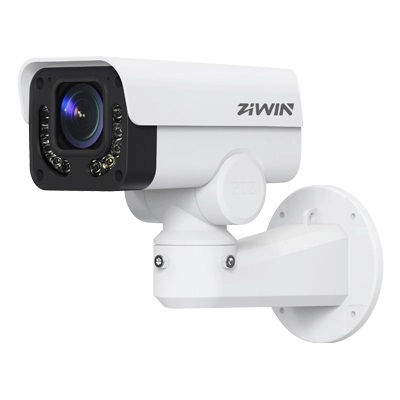
Proper installation of a bullet PTZ camera is essential to ensure optimal performance and comprehensive surveillance coverage. By understanding the key features of the camera, carefully positioning it for maximum field of view, ensuring stable power and network connectivity, and configuring the angles for efficient coverage, you can ensure that your bullet PTZ camera provides the best possible security coverage. Regular monitoring and adjustment of the camera's performance will also ensure that the system continues to deliver high-quality images and reliable performance. Whether you're installing for commercial, industrial, or residential purposes, following these best practices will enhance the effectiveness of your PTZ camera system.
 +86-15022658927
  sales@ziwincctv.com
  English
 français
 Deutsch
 Español
 italiano
 русский
 português
 العربية
 tiếng việt
 ไทย
ไทย Türkçe
 Pilipino
 עברי
עברי Afrikaans
 Polska