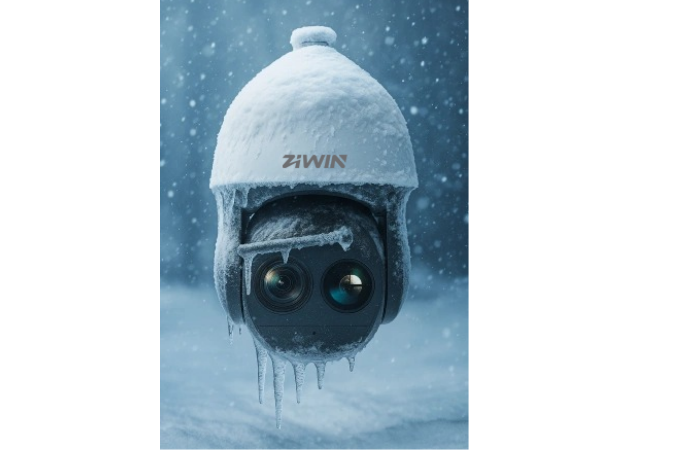
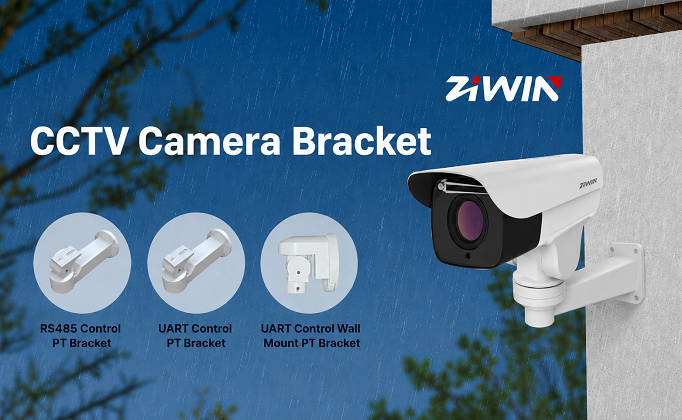
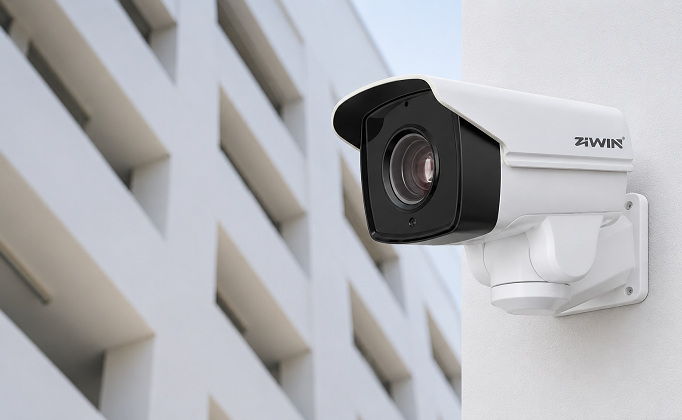
Choosing a CCTV camera for cold storage is different from choosing a standard indoor security camera. Cold rooms, freezer warehouses, refrigerated logistics centers, food storage facilities and pharmaceutical warehouses all create demanding conditions for surveillance equipment. Low temperature, humidity, condensation, frost, limited lighting and frequent temperature changes can affect image clarity, camera stability and long-term reliability.
A regular CCTV camera may work well in a normal building, but it can fail quickly in cold storage if the housing, lens, power supply, sealing structure and night vision system are not designed for low-temperature operation. For this reason, security integrators and facility managers should select cold storage cameras based on temperature rating, anti-fog performance, IP protection, night vision, power stability and maintenance access.
This guide explains how to choose the right CCTV camera for cold storage, where to install cameras in refrigerated facilities, and when to use fixed cameras, IR PTZ cameras, long range PTZ cameras or thermal imaging cameras.
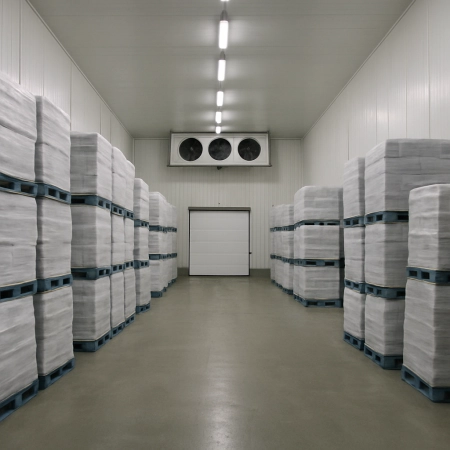
Quick Answer: What Camera Works Best in Cold Storage?
The best CCTV camera for cold storage should support low-temperature operation, sealed outdoor-grade housing, anti-condensation design, stable power supply and reliable night vision. For freezer rooms or deep-freeze warehouses, cameras with built-in heaters, IP66/IP67 protection and anti-fog lens structures are recommended.
For general cold rooms, an IP66 IR camera may be sufficient. For large refrigerated warehouses, loading docks or high-value storage areas, an outdoor PTZ camera or smart PTZ camera can provide wider coverage and flexible monitoring. For extremely cold outdoor areas, thermal imaging or low-temperature surveillance cameras may be more suitable.
| Cold Storage Requirement | Recommended Camera Feature |
|---|
| Low temperature operation | Camera rated for cold-room or outdoor low-temperature use |
| Humidity and condensation | Sealed housing, anti-fog design, proper cable sealing |
| Low-light monitoring | IR night vision, laser night vision or low-light sensor |
| Large storage area | PTZ camera or long-range surveillance camera |
| Food or pharmaceutical storage | Clear image quality, stable recording, remote monitoring |
| Outdoor loading dock | WDR, IP66/IP67 protection, corrosion-resistant housing |
| Deep freezer room | Built-in heater, anti-condensation structure, stable power supply |
Why Regular CCTV Cameras May Fail in Cold Storage
A regular CCTV camera is not recommended for cold storage because low temperature and humidity can affect both optical and electronic components. In freezer rooms, the camera housing may contract, cables may harden, and internal electronics may become unstable during startup. When warm air enters a cold room, condensation can form on the dome cover or lens, causing blurry images and poor visibility.
Common failure risks include:
Lens fogging caused by temperature difference
Frost or ice forming on the dome cover
IR reflection caused by moisture or dirt
Camera startup failure in sub-zero environments
Cable hardening or connector damage
Water intrusion from poor sealing
Unstable video caused by insufficient power
Shortened lifespan of internal electronics
For cold storage facilities, the camera should not only survive the temperature. It should also deliver stable image quality, clear night vision and reliable recording during daily warehouse operations.
Choosing a CCTV camera that can function effectively in these conditions is crucial. Let's explore the key factors you need to consider.
Key Factors to Consider When Choosing a Cold Room CCTV Camera
Temperature Tolerance
Not all CCTV cameras are designed to operate in cold environments. You need a camera specifically rated for low-temperature use. Look for cameras that can function efficiently at sub-zero temperatures. These cameras often have built-in heaters or thermal regulation systems to prevent lens fogging and ensure the camera remains operational in cold conditions.
Durability and Resistance
Cold storage environments are not only cold but can also be damp or icy. Therefore, the cameras need to be robust and resistant to moisture and frost. Ensure that the cold storage cameras you choose are rated for outdoor or harsh environments, as they are typically built to withstand such conditions.
Image Quality and Night Vision
Security in cold storage facilities often requires monitoring in low-light conditions or even complete darkness. Therefore, choosing a cold storage camera with excellent image quality and night vision capabilities is essential. Camera with infrared night vision or low-light sensors can capture clear images even in the absence of light.
Key Features to Look for in CCTV Camera for Cold Storage
During CCTV camera selection for cold storage, several features can make a significant difference in performance and reliability, especially when working with experienced CCTV camera manufacturers.
Wide Temperature Range
As mentioned earlier, ensure that your CCTV camera can operate within the temperature range of your cold storage facility. Some cameras are designed to work in temperatures as low as -40°F, making them ideal for most cold storage applications.
IP Rating
The IP (Ingress Protection) rating indicates the camera's resistance to dust and moisture. For cold storage, a higher IP rating (such as IP66 or IP67) is preferable to ensure the camera can withstand the wet and icy conditions.
Remote Monitoring
Remote monitoring capabilities allow you to keep an eye on your cold storage facility from anywhere. With the right CCTV system, you can access live footage and receive alerts on your smartphone or computer, providing peace of mind and immediate response to any potential security breaches.
Integration with Existing Systems
Consider how the CCTV system will integrate with your existing security infrastructure. Compatibility with your current network and other security systems ensures seamless operation and comprehensive monitoring.
Anti-Fog and Anti-Condensation Design
Fogging is one of the most common CCTV problems in cold storage. It happens when warm humid air contacts a cold lens, dome cover or camera housing. This often occurs near entrances, loading docks or doors that open frequently.
Useful anti-fog features include:
Avoid installing cameras directly beside cold-room doors, evaporators or areas where temperature changes rapidly. Even a high-quality camera can suffer from fogging if the installation position is wrong.
Benefits of CCTV Camera in Cold Storage
Implementing cold room CCTV cameras offers numerous benefits beyond just security.
Enhanced Security
The primary benefit of installing CCTV cameras is enhanced security. By continuously monitoring the facility, you can deter theft, ensure compliance with safety regulations, and protect valuable inventory from tampering or damage.
Improved Operational Efficiency
CCTV systems can also contribute to improved operational efficiency. By monitoring daily operations, you can identify inefficiencies, streamline processes, and ensure compliance with industry standards.
Safety and Compliance
In environments where safety is critical, CCTV systems help ensure that all safety protocols are being followed. They can provide evidence in case of accidents or disputes, helping to maintain a safe working environment and ensuring compliance with health and safety regulations.
Cost Savings
While there is an initial investment in CCTV systems, the long-term benefits often outweigh the costs. By preventing theft, minimizing waste, and improving operational efficiency, CCTV systems can lead to significant cost savings.
IR PTZ vs Fixed CCTV vs Thermal Camera for Cold Storage
Different camera types solve different cold storage monitoring problems.
| Camera Type | Best For | Limitations |
|---|
| Fixed IR camera | Entrances, aisles, small rooms and general monitoring | Limited viewing angle and no remote direction control |
| IR PTZ camera | Large rooms, warehouses, loading docks and flexible monitoring | Requires stable power and proper installation height |
| Smart PTZ camera | Tracking people, vehicles or abnormal movement | Needs correct AI settings and clear target visibility |
| Long range PTZ camera | Large warehouses, outdoor yards and long corridors | Higher cost and more careful installation required |
| Thermal camera | Equipment monitoring, low-light scenes and temperature-related risks | Not always suitable for facial or detailed visual identification |
For most cold storage facilities, a combination of fixed cameras and PTZ cameras is more practical than using only one type. Fixed cameras provide continuous coverage of key points, while PTZ cameras help operators zoom in, follow movement and inspect large areas.
Implementing Your Cold Storage CCTV System
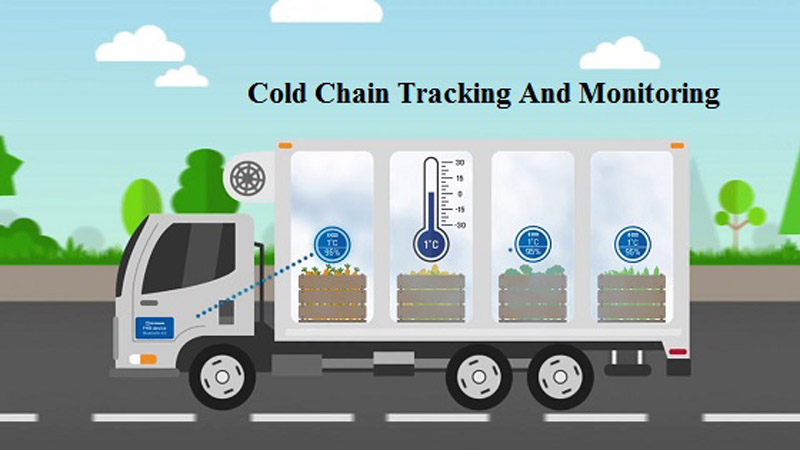
Once you have selected the right CCTV cameras for cold storage facility, the next step is implementation. Here are some best practices for setting up your system.
Strategic Camera Placement
Positioning your cameras strategically is key to effective monitoring. Identify high-risk areas, such as entry and exit points, loading docks, and areas where valuable or sensitive goods are stored. Ensure that all critical areas are covered by the cameras.
Regular Maintenance
Cold environments can be harsh on equipment, making regular maintenance essential. Schedule routine checks to ensure that cameras are functioning correctly, lenses are clean, and no ice or condensation is interfering with performance.
Staff Training
Train your staff on how to use the CCTV system effectively. They should know how to access footage, respond to alerts, and conduct regular system checks. Well-trained staff can maximize the benefits of your CCTV system.
Maintenance Tips for Cold Storage CCTV Cameras
Regular maintenance can extend camera lifespan and reduce unexpected failures.
| Maintenance Task | Recommended Frequency |
|---|
| Clean dome cover or lens surface | Monthly or when image becomes blurry |
| Check cable connectors and waterproof seals | Every 3–6 months |
| Test night vision and IR function | Quarterly |
| Check recording and playback | Monthly |
| Inspect mounting bracket and screws | Every 6 months |
| Review camera position and blind spots | After warehouse layout changes |
| Check power supply and PoE budget | During system inspection |
| Inspect fogging or condensation | After temperature changes or seasonal changes |
In food and pharmaceutical cold storage, maintenance should be documented because surveillance footage may support quality control, safety management and incident investigation.
Conclusion
Choosing the right CCTV camera for cold storage is a crucial step in ensuring the security and efficiency of your operations. By considering factors such as temperature tolerance, durability, and image quality, and by implementing the system strategically, you can protect your valuable inventory and improve operational efficiency. With the right CCTV system in place, you can rest assured that your cold storage facility is secure and compliant with industry standards.
FAQs
What is the best CCTV camera for cold storage?
The best CCTV Camera for Cold Storage is designed for sub-zero environments (down to -40°C), with features like built-in heaters, anti-fog lenses, and IP67/IP68 protection. These ensure stable performance where standard cameras fail.
Why can't regular CCTV cameras be used in freezers?
Regular cameras are not built for extreme cold and may fail due to condensation, frosting, and component damage. A specialized CCTV Camera for Cold Storage uses sealed housing and temperature control to maintain reliable operation.
How do you prevent fogging on CCTV cameras in cold rooms?
To avoid fogging, use a CCTV Camera for Cold Storage with anti-condensation design, heated enclosures, and sealed lenses. Proper installation also helps reduce moisture exposure and ensures clear video.
Is a CCTV system necessary for cold storage facilities?
Yes, a CCTV Camera for Cold Storage improves safety, compliance, and inventory control. A professional CCTV camera solution can also support audits, reduce risks, and enhance operational visibility in temperature-sensitive environments.
What should be considered when installing CCTV in cold storage?
Key factors include temperature rating, cable durability, camera placement, and moisture protection. Choosing the right CCTV Camera for Cold Storage ensures long-term reliability and minimal maintenance.
Need a Cold Storage CCTV Solution?
Choosing a CCTV camera for cold storage requires more than selecting resolution or price. The camera must match the temperature range, humidity level, installation location, lighting condition, power supply and monitoring purpose.
ZIWIN provides professional CCTV and PTZ camera solutions for cold storage, refrigerated warehouses, cold-chain logistics, industrial sites and outdoor security projects. If you are planning a cold storage surveillance system, send us your room temperature, layout, monitoring distance, installation environment and required camera coverage. Our team can recommend a suitable cold storage CCTV camera solution for your project.
 +86-15022658927
  sales@ziwincctv.com
  English
 français
 Deutsch
 Español
 italiano
 русский
 português
 العربية
 tiếng việt
 ไทย
ไทย Türkçe
 Pilipino
 עברי
עברי Afrikaans
 Polska