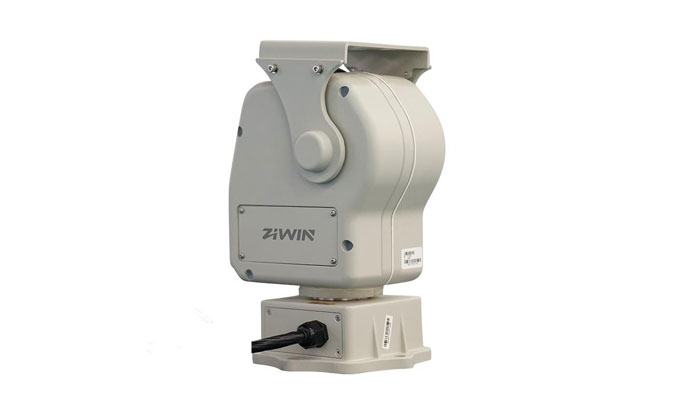
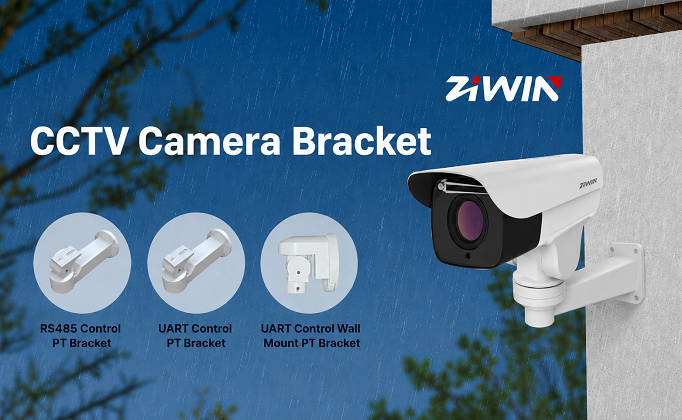
For buyers who are ready to compare models, ZIWIN provides a complete
heavy duty pan tilt unit
range from 50kg to 200kg for CCTV, EO/IR, radar, antenna and anti-drone payloads.
Heavy-duty pan tilt units (PTUs) are critical components in industrial automation, surveillance, and defense systems, designed to stabilize and maneuver high-load equipment like thermal cameras, LiDAR sensors, or radar arrays. A key specification for these devices—maximum load capacity—determines their suitability for demanding European applications. This article explores load limits, technical constraints, and selection strategies.
Defining Load Capacity Ranges
The load capacity of Heavy-duty pan tilt units typically ranges from 50 kg to 200+ kg, depending on structural design and motor power. For example:
Standard industrial models: 50–100 kg (110–220 lbs), ideal for CCTV systems with large zoom lenses or broadcast cameras.
High-torque military-grade units: Up to 200 kg (440 lbs), used for radar arrays or multispectral imaging systems in defense and aerospace sectors.
Customized solutions: Some manufacturers like ZIWIN offer bespoke PTUs exceeding 200 kg for specialized infrastructure monitoring.
Technical Factors Influencing Load Limits
Structural Materials
Aluminum alloy frames: Balance weight reduction and durability, supporting up to 120 kg (265 lbs) with 5-mm thickness.
Stainless steel gears: Enhance torque transmission for heavy payloads, critical for offshore wind turbine inspections in harsh North Sea conditions.
Motor Performance
Brushless DC motors: Provide precise angular control (0.01° accuracy) under loads up to 150 kg (330 lbs).
Dynamic torque compensation: Auto-adjusts power output to prevent stalling during sudden directional changes.
Environmental Stress
Temperature extremes: Units rated for -40°C to +70°C (common in Scandinavian winters or Middle Eastern oil fields) may reduce load capacity by 15–20% due to lubricant viscosity changes.
Corrosion resistance: IP67-rated enclosures ensure consistent performance in coastal or chemical-heavy environments.
Applications and Load Requirements of Heavy-Duty Pan Tilt Units
| Industry | Typical Load | Example Use Case |
|---|
| Transportation | 80–120 kg (176–265 lbs) | Railway track monitoring with 4K LiDAR scanners |
| Energy | 150–200 kg (330–440 lbs) | Offshore rig corrosion detection systems |
| Broadcasting | 50–70 kg (110–154 lbs) | 360° live event coverage with 8K cameras |
| Defense | 100–180 kg (220–397 lbs) | Border surveillance with radar/EO/IR fusion systems |
Safety Margins and Selection Guidelines
Calculate total payload: Include the weight of all mounted devices (camera, lens, housing, cables).
Apply a safety factor: Opt for PTUs with 20–30% higher capacity than calculated load to account for dynamic stresses (e.g., wind gusts on mounted drones).
Verify certifications: Ensure compliance with EU standards like CE, EN 50155 (railway), and ISO 19438 for vibration resistance.
Maintenance for Sustained Load Performance
Lubrication cycles: Reapply marine-grade grease every 1,000 operational hours to prevent gear wear.
Load testing: Conduct biannual torque calibration using certified weights to detect degradation.
Software updates: Install firmware patches for motor control algorithms to optimize energy efficiency under heavy loads.
Future Innovations
Conclusion
The maximum load capacity of a heavy-duty pan tilt unit is not a static value but a dynamic parameter influenced by materials, environmental conditions, and operational rigor. For European users, selecting a PTU with robust certifications, adaptive motor systems, and a safety margin ensures reliability in critical applications—from Arctic energy infrastructure to Mediterranean port security.
Consult manufacturers like ZIWIN for load test reports and region-specific customization options. Welcome to contact us!
 +86-15022658927
  sales@ziwincctv.com
  English
 français
 Deutsch
 Español
 italiano
 русский
 português
 العربية
 tiếng việt
 ไทย
ไทย Türkçe
 Pilipino
 עברי
עברי Afrikaans
 Polska