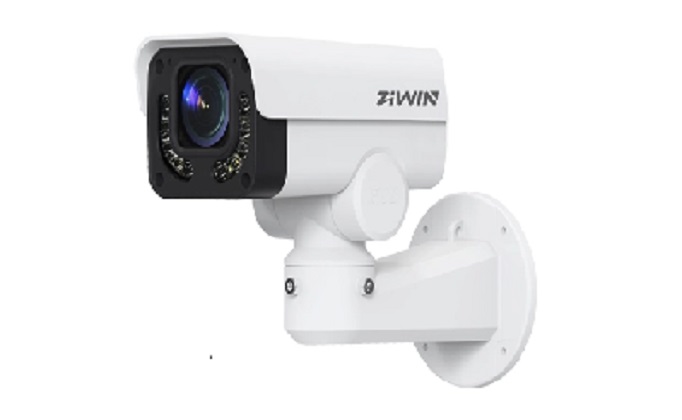
In modern video surveillance and security systems, PTZ functionality is a common and essential feature, particularly in high-demand monitoring applications. You may come across the term "PTZ" in the product descriptions of certain cameras, especially when referring to IR PTZ camera. But what exactly does PTZ mean? Let's dive deeper into this functionality and how it is applied in various cameras.
What is PTZ?
PTZ stands for Pan-Tilt-Zoom, referring to three core functions of the camera: horizontal rotation (Pan), vertical rotation (Tilt), and optical zoom (Zoom). These features allow the IR PTZ camera to adjust its field of view and focal length without changing its position, making it adaptable to different surveillance requirements.
| Function | Description |
|---|
| Pan (Horizontal Rotation) | The camera rotates around its vertical axis, typically allowing for 360° rotation. This function enables the IR PTZ camera to scan large areas and ensure no blind spots. |
| Tilt (Vertical Rotation) | The camera moves up and down, covering higher or lower areas for a wider field of view. |
| Zoom (Optical Zoom) | The camera adjusts its focal length to observe distant targets, magnifying or shrinking the image to ensure clear footage at varying distances. |
Compared to traditional fixed cameras, the IR PTZ camera provides far more flexible surveillance capabilities. Especially when full coverage of large areas is required, the advantages of the IR PTZ camera are apparent. With PTZ functionality, it can quickly adjust its view, lock onto targets, provide high-definition video quality, and still deliver clear images in low-light or dark environments.
How to Control an IR PTZ Camera?
There are several ways to control an IR PTZ camera. The most common control methods include interface control and network control.
Interface Control
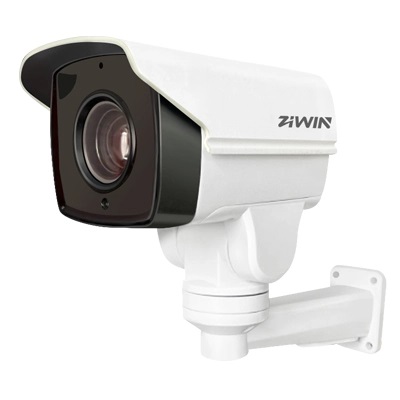
IR PTZ camera often comes with an RS-485 interface, allowing for control signals to be transmitted via dedicated cables. This method enables adjustments of the camera's direction and zoom function.
Network Control
In modern surveillance systems, network control is the most popular method. Using protocols like ONVIF, GB/T28181, or others, users can control the IR PTZ camera over the network to adjust its view and zoom. Additionally, video gateways can use these protocols to manage the camera, integrating video streams and enabling centralized management.
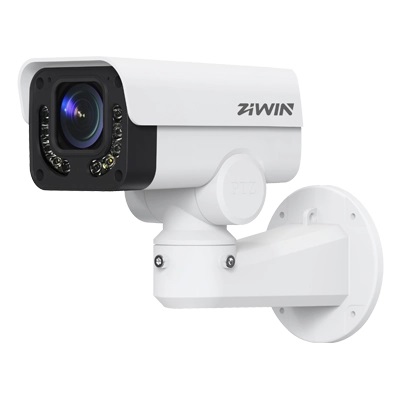
For example, Ziwin's 4.5 Series IR PTZ camera boasts excellent rotation capabilities, allowing for rapid and precise 200° horizontal rotation and 60° vertical rotation, making it ideal for large-area surveillance. This IR PTZ camera incorporates a next-generation motor and advanced planetary gear drive design, ensuring smooth rotation and robust performance with reliable PTZ operations. To meet various customer needs, Ziwin also offers options with 5X/20X auto-focus lenses, allowing for configuration based on specific monitoring requirements. With an IP66 waterproof rating, the camera guarantees stability in any weather conditions, ensuring reliable operation even in harsh external environments.
Installing an IR PTZ Camera
When selecting a camera with PTZ functionality, it is crucial to ensure compatibility with the appropriate control protocol. For example, if you are using the RTSP protocol to stream video, you cannot control the PTZ features of an IR PTZ camera since RTSP only handles video stream data and does not support PTZ control. To overcome this limitation, many surveillance systems utilize ONVIF or GB/T28181 protocols to provide full control of the IR PTZ camera, allowing users to easily adjust the pan tilt head and zoom via software platforms.
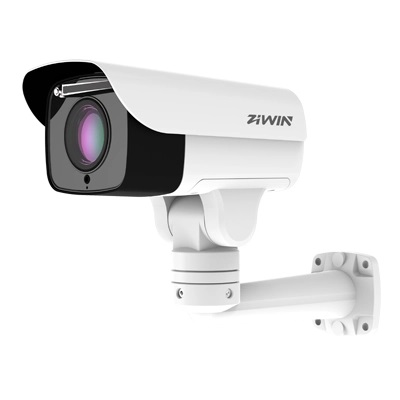
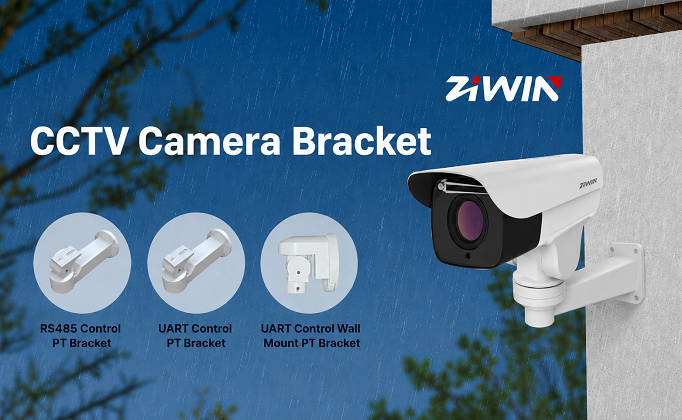
Typically, an IR PTZ camera comes with a dedicated mounting bracket to facilitate easy installation in complex environments. These cameras are widely used in commercial buildings, public spaces, parking lots, and large facilities to provide comprehensive, no-blind-spot surveillance coverage.
Applications of IR PTZ Camera in Daily Life
When choosing a camera with PTZ functionality, particularly an IR PTZ camera, it's important to understand its control methods and performance specifications. Whether monitoring vast areas in commercial buildings or maintaining clear night vision in special environments, the IR PTZ camera offers outstanding performance. For scenarios requiring higher flexibility and remote control capabilities, PTZ functionality is undoubtedly a key feature that cannot be overlooked.
 +86-15022658927
  sales@ziwincctv.com
  English
 français
 Deutsch
 Español
 italiano
 русский
 português
 العربية
 tiếng việt
 ไทย
ไทย Türkçe
 Pilipino
 עברי
עברי Afrikaans
 Polska