Introduction
In modern video surveillance, lighting conditions are rarely ideal. One of the main difficulties arises when a single scene contains both extremely bright areas—such as direct sunlight—and very dark areas, like deep shadows or dim indoor corners. Under these conditions, traditional cameras struggle to capture balanced images. The result is often an overexposed bright region where details are lost, or an underexposed dark region where important objects remain invisible. Wide Dynamic Range (WDR) technology addresses this problem by ensuring that both highlights and shadows are clearly visible in the same frame.
Wide Dynamic Range Meaning
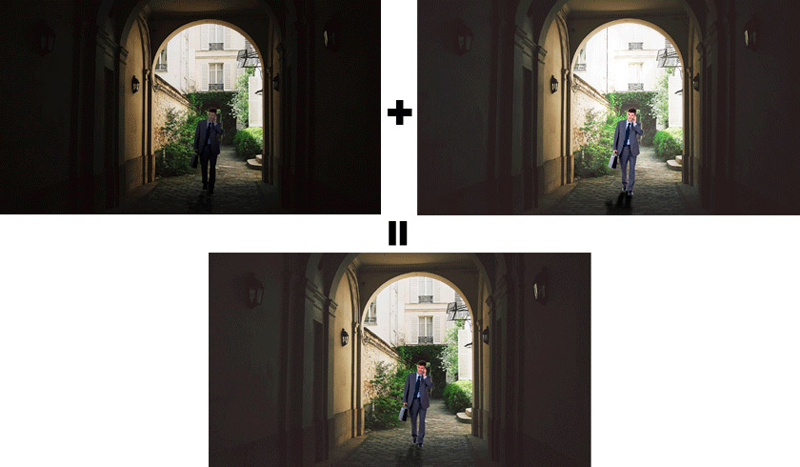
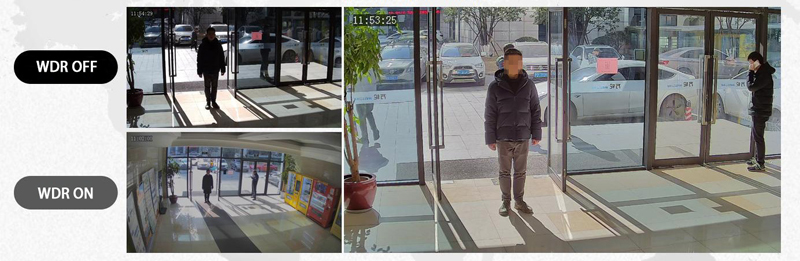
Wide Dynamic Range (WDR) is a technology that enables CCTV cameras to manage scenes with extreme contrasts between light and dark areas. Instead of capturing a single exposure, WDR combines multiple images taken at different shutter speeds into one balanced frame. This process ensures that bright regions are not washed out and shadowed areas are not lost in darkness. In practice, a WDR camera can reveal critical details—such as a person’s face in front of a bright doorway—that would otherwise remain invisible with standard cameras.
In real-world surveillance, lighting conditions are often unpredictable and extreme. A wide dynamic range camera ensures that security footage remains usable even when strong light and deep shadows appear in the same scene. For example, in building entrances and lobbies, WDR makes it possible to clearly capture faces despite intense sunlight pouring through glass doors. In parking lots and underground garages, WDR reduces glare from headlights while preserving visibility in darker areas. For ports and coastal surveillance, it balances harsh sunlight reflecting off water with shaded cargo zones. In oil and gas pipelines across desert regions, WDR helps maintain image clarity under strong sunlight and deep shadows. Even in banks and ATMs, where backlight from windows can obscure customer activity, WDR ensures that both people and background details remain visible.
Wide Dynamic Range vs Other Technologies
While Wide Dynamic Range is one of the most effective tools for handling high-contrast lighting, it is often compared with other imaging technologies.
WDR vs HDR (High Dynamic Range): HDR is commonly used in smartphones, TVs, and photography to create visually appealing images by enhancing colors and contrast. However, in surveillance, HDR often introduces motion blur because it requires multiple image captures that are not always suitable for real-time monitoring. In contrast, WDR in CCTV cameras is specifically designed for security applications—prioritizing clarity, facial recognition, and object detection over aesthetics.
WDR vs BLC (Backlight Compensation): Backlight Compensation is a simpler technology that brightens the subject in front of strong light sources, but it usually sacrifices background visibility. By comparison, a wide dynamic range camera balances both foreground and background details, ensuring that no part of the scene is overexposed or underexposed.
In summary, WDR is a more advanced and reliable solution for video surveillance than HDR or BLC, making it the preferred choice for professional security cameras.
How to Choose a Wide Dynamic Range Camera
Selecting the right wide dynamic range camera depends on the specific environment and security requirements. Here are several key factors to consider:
1. WDR Rating (dB Value): Cameras with higher WDR ratings (e.g., 120 dB or above) perform better in extreme lighting contrasts than those with lower values (e.g., 80–90 dB). A higher rating ensures clearer details in both bright and dark areas.
2. Resolution and Sensor Quality: WDR works best when combined with high-resolution sensors. Choosing a 4MP or 8MP WDR camera allows you to capture fine details even under challenging light conditions.
3.Application Scenarios: Different environments require different camera designs.
For example:
* Entrances and lobbies → compact dome WDR cameras.
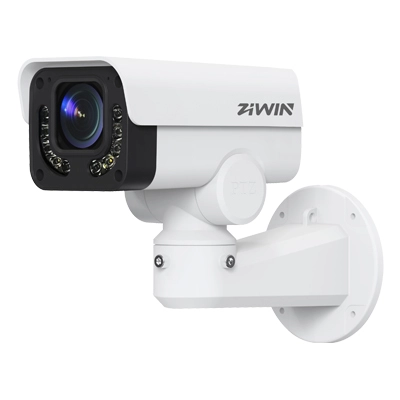
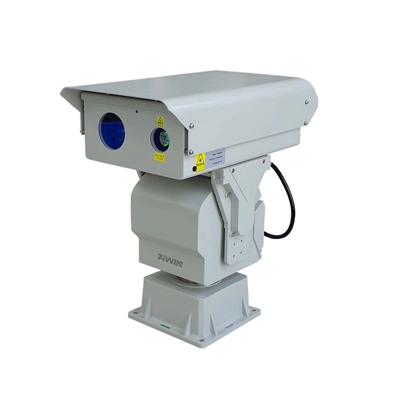
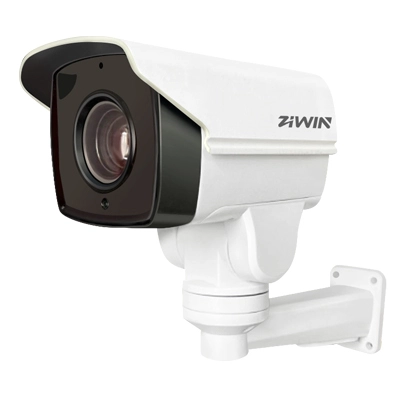
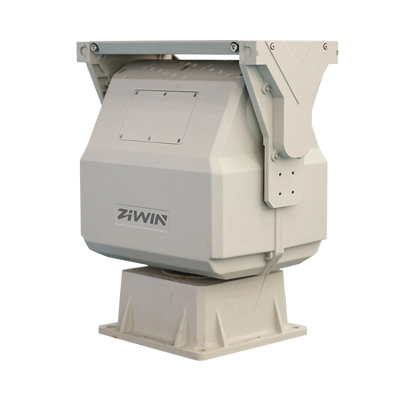
* Ports, pipelines, or desert monitoring → heavy-duty PTZ WDR cameras.
* Banks and ATMs → discreet WDR mini dome cameras.
4. Integration with Other Features: Consider cameras that combine WDR with other advanced technologies such as infrared night vision, laser illumination, or thermal imaging to provide 24/7 all-weather monitoring.
5. Brand Reliability and Support: Choose manufacturers with proven expertise in industrial surveillance. For example, ZIWIN provides WDR-enabled PTZ cameras specifically designed for harsh outdoor conditions such as coastal, desert, and pipeline environments.
By evaluating these factors, security professionals can select the most suitable WDR CCTV camera to ensure reliable performance in high-contrast lighting conditions.
FAQ About Wide Dynamic Range
Q1: What does wide dynamic range mean in CCTV?
A: It means the camera can capture clear details in both very bright and very dark areas of the same scene.
Q2: Do I really need a wide dynamic range camera?
A: If your surveillance area has glass doors, car headlights, strong sunlight, or deep shadows, WDR is highly recommended.
Q3: Can wide dynamic range work at night?
A: Yes. WDR can be combined with infrared or low-light technology, helping cameras handle glare from headlights and bright light sources.
Q4: What's the difference between WDR and HDR?
A: HDR focuses on image aesthetics in photos and videos, while WDR is designed for real-time security, minimizing motion blur and ensuring accuracy.
Q5: Which industries benefit most from WDR CCTV cameras?
A: WDR cameras are widely used in banks, ports, pipelines, desert monitoring, and any location with complex lighting.
Conclusion
Wide Dynamic Range (WDR) is a key technology in CCTV cameras, allowing them to capture clear details in both bright and dark areas. From entrances and parking lots to ports and pipelines, WDR ensures reliable surveillance where lighting conditions are challenging. Understanding WDR helps professionals choose cameras that deliver balanced and accurate images in high-contrast environments.
 +86-15022658927
  sales@ziwincctv.com
  English
 français
 Deutsch
 Español
 italiano
 русский
 português
 العربية
 tiếng việt
 ไทย
ไทย Türkçe
 Pilipino
 עברי
עברי Afrikaans
 Polska