TIANJIN ZIWIN TECHNOLOGY CO.,LTD.

Thermal Imaging

What is thermal imaging technology?

Thermal imaging technology is a detection technique that identifies the temperature distribution on an object's surface by utilizing the thermal radiation emitted from the object. Thermal imaging cameras typically detect radiation in the long-infrared range of the electromagnetic spectrum (approximately 8,000–14,000 nanometers or 8–14 µm) and generate images of that radiation. According to the blackbody radiation law, all objects with a temperature above absolute zero (-273°C) emit infrared radiation. Therefore, thermal imaging technology can be used to observe the surrounding environment, regardless of whether visible light is present.


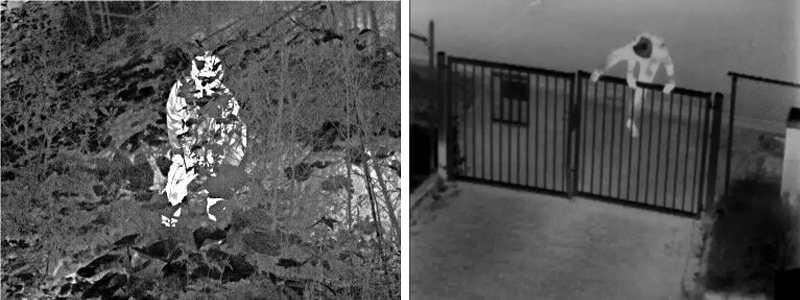
Applications of thermal imaging in security monitoring

Applications of thermal imaging in security monitoring

Advantages of thermal imaging products

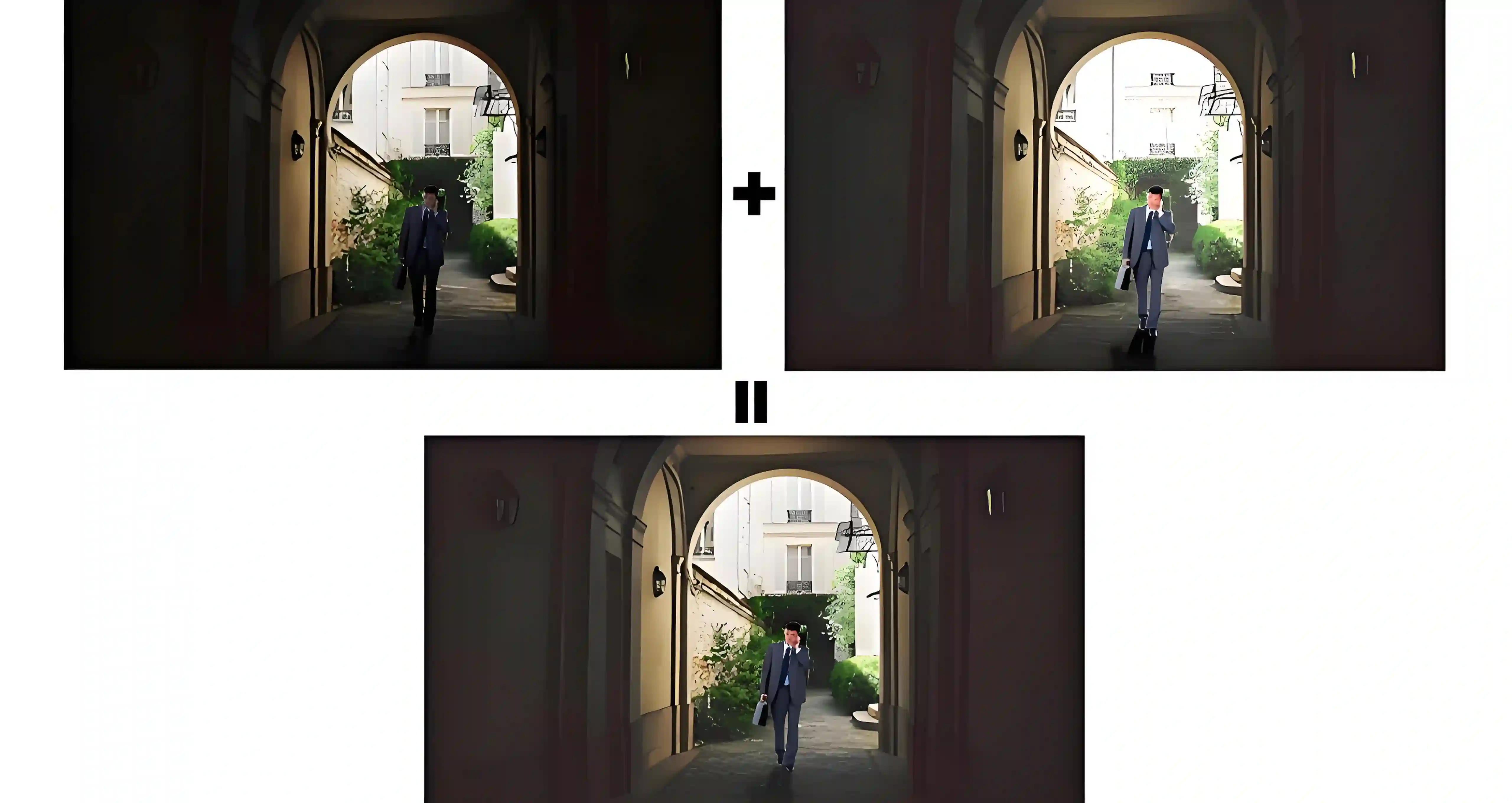
Thermal imaging cameras are not affected by lighting conditions—whether in extremely low light or complete darkness. Compared to visible light imaging, thermal imaging cameras are much less affected by weather conditions such as fog, smoke, rain, and snow, allowing them to operate effectively in almost any environment.


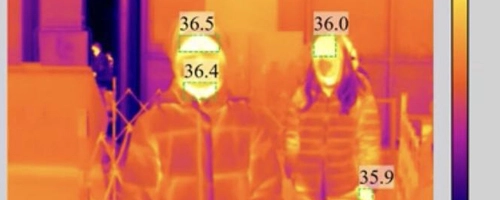
Real-time temperature measurement

Real-time temperature measurement

Thermal imaging cameras can provide features such as temperature display and temperature anomaly alerts.


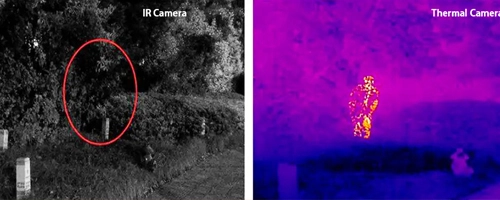
Strong adaptability

Strong adaptability

Thermal imaging cameras are unaffected by lighting conditions, whether in extremely low light or complete darkness. Compared to visible light imaging, thermal imaging cameras are much less impacted by weather conditions such as fog, smoke, rain, and snow, enabling them to operate effectively in almost any environment at any time.

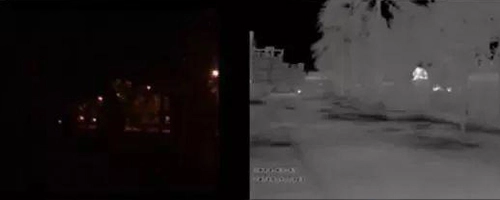
All-weather monitoring

All-weather monitoring

Thermal imaging cameras not only outperform visible light cameras in dark scenes but also enable all-weather monitoring of target objects.

01/07
2026
Choosing the Right Positioner for Antennas and Radar Systems
Antennas and radar systems are inherently directional. Their performance depends not only on sensor quality, but also on how accurately and reliably they are oriented in space.When designing such syst...
01/06
2026
Horizontal Rotary Positioner: What Can It Be Used For?
A horizontal rotary positioner is often overlooked because of its simple structure. However, in many real-world systems, it plays a critical role by enabling precise and controlled azimuth movement fo...
01/05
2026
Pan Tilt Positioner vs Horizontal Rotary Positioner: What's the Difference?
In many engineering and system integration projects, the term positioner is frequently used. However, when it comes to actual system design, different types of positioners serve very different purpose...
We use cookies to offer you a better browsing experience, analyze site traffic and personalize content. Part of the tracking is necessary to ensure SEO effectiveness,
By using this site, you agree to our use of cookies. Visit our cookie policy to learn more.
Reject Accept